Curtain Bangs for Curly Hair: How to Cut, Style, and Keep Them Looking Good
Bangs and curls have a complicated reputation. Plenty of people with curly hair were told years ago that a fringe would turn into a puffball, or that it would demand a flat iron every single morning. Curtain bangs changed that conversation. They’re long, parted, and designed to blend into the rest of your haircut, which leaves plenty of room for curls to do what curls do.
This guide covers what curly curtain bangs look like, who they suit, how to get a cut you won’t regret, and how to style and maintain them day to day.
Quick answer: Yes, curtain bangs work on curly hair. The two things that make or break them are length and shape. Ask for them longer than you think you want, because curls spring up as they dry, and style them with your natural texture instead of fighting it. Choose a stylist who is comfortable cutting curls, and expect a soft, textured look rather than the sleek, swept-aside version you see on straight hair.
What Curly Curtain Bangs Actually Look Like
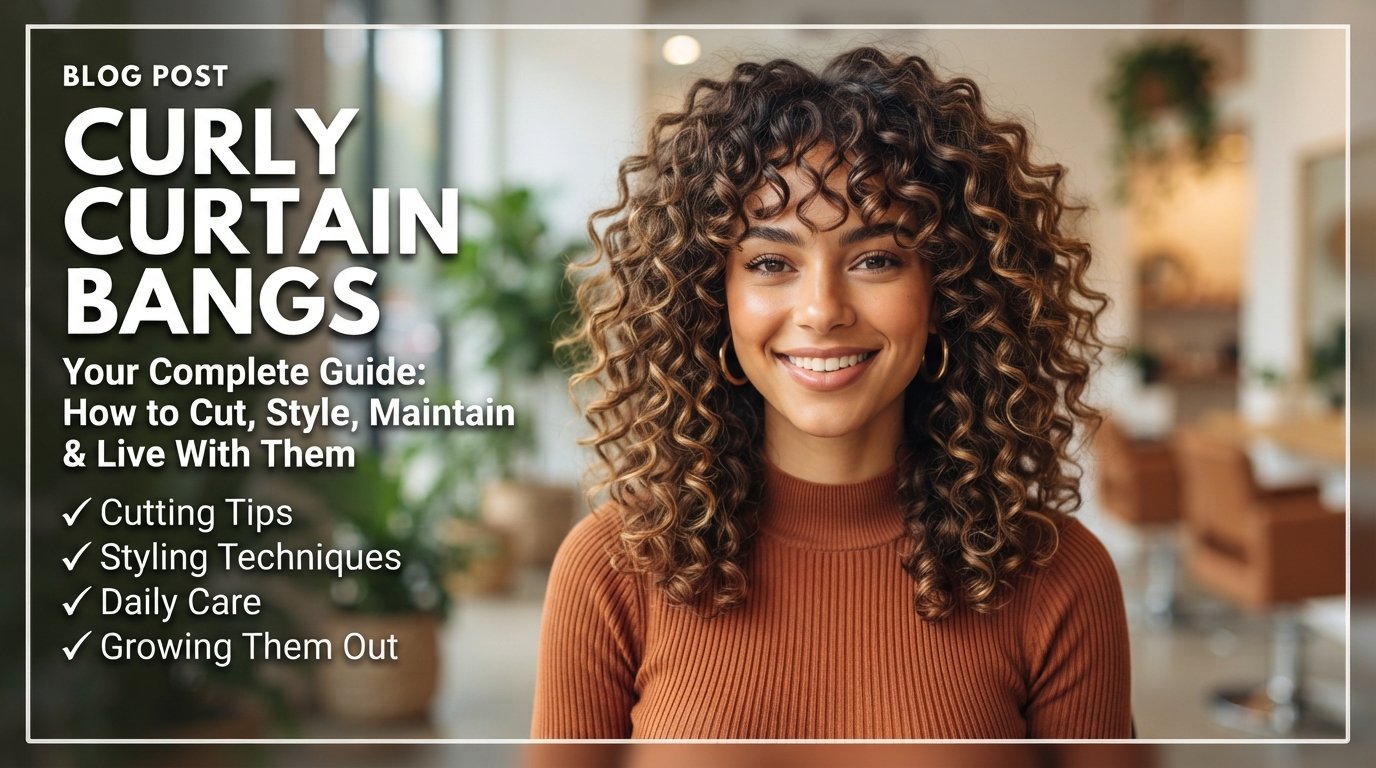
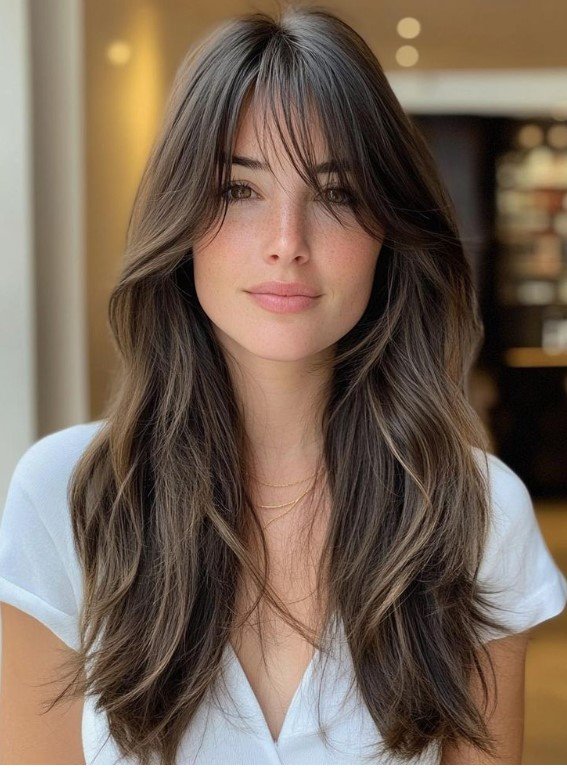
Curtain bangs are a long fringe, usually parted in the middle, that falls to either side of the face like open curtains and melts into the surrounding layers.
On straight hair, those pieces sweep smoothly outward. On curly hair, each piece coils, spirals, or springs in its own direction, so the “curtains” look looser, fuller, and more dimensional. The part may be softer or less defined than on straight hair, and some people let the curls fall wherever they land. That’s not a flaw in the cut. It’s the whole appeal: movement around the eyes and cheekbones that looks styled without looking stiff.
Who Curly Curtain Bangs Suit (and Who Should Think Twice)
Almost any curl pattern can wear curtain bangs, from loose waves to tight coils. What changes is the shape of the cut.
By curl pattern
- Waves and loose curls: These shrink the least, so the bangs sit closer to the length you cut. They tend to look the most like classic curtain bangs, just with more bounce.
- Springy spirals: Expect noticeable lift as the hair dries. Definition matters here, because the shape comes from the curls clumping together into soft ringlets around the face.
- Coils: Shrinkage is at its most dramatic, so a fringe that looks long when stretched can land much shorter when dry. A stylist with real experience in tight textures is worth seeking out. Shorter, rounder shapes can look striking on coils, but only if that’s a choice rather than a surprise.
By face shape
These are stylist rules of thumb, not laws. Hairline, density, and personal taste count for more than a face-shape label.
- Round: Bangs that continue past the cheekbones add vertical lines and keep the face from looking wider.
- Square: Curved, softer ends can ease the look of a strong jawline.
- Heart: Bangs that begin around the brow and sweep outward help balance a wider forehead.
- Oval and long: Oval faces have the most freedom. For longer faces, a little fullness at the sides can shorten the overall line.
Check these before you commit
- Your hairline and cowlicks. A strong cowlick or widow’s peak at the front can push the bangs in one direction no matter how they’re cut. Point it out to your stylist before they start.
- Your density. Very thick curls may need weight removed so the fringe doesn’t sit like a shelf. Fine curls can look wispy if the bangs are cut too thin.
- Your daily routine. Curly bangs are lower effort than most, but they still want a couple of minutes of attention on wash days.
- Your patience. If the thought of a grow-out phase makes you wince, start longer and more blended than you think you need.
Related: Hairstyles for People With Bangs: What Works With Each Type of Fringe
Getting the Cut Right
Why shrinkage drives everything
Stretch a curl straight and it might look several inches longer than it does once it springs back. A fringe cut to the stretched length will end up well above where you wanted it. Every decision about curly bangs, from technique to how long to go, comes back to predicting where each curl will land when it’s dry and styled.
Wet cut or dry cut?
Stylists don’t fully agree on this one. Many curl specialists prefer cutting bangs dry, sometimes curl by curl, because they can see exactly where the hair sits in its natural state. Others cut damp or wet, especially for more uniform textures, and rely on experience to allow for shrinkage.
The method matters less than the stylist’s skill with curls. Whichever approach they use, ask how they’ll account for shrinkage. A confident answer is a good sign. A vague one is worth noticing.
Related: Curly Hair With Straight Bangs: 15 Hairstyles and How to Make the Look Work
What to say in the consultation
- Tell them you’ll wear the bangs curly. If they assume you’ll blow them out straight, the length will be wrong.
- Ask them to start long. Length can always come off. It can’t go back on.
- Ask for the bangs to blend into your layers, so they look like part of the haircut instead of an add-on.
- Ask for a shape built from pieces, not one straight line. Curls shrink by different amounts, and a ruler-straight edge rarely survives drying.
- Ask how to refresh just the bangs between washes. A good stylist will have a plan.
How to prepare for your appointment
- Bring photos of curly curtain bangs, not straight ones. Pictures of sleek, swept fringe set an expectation your curls can’t match.
- Show your own hair at different stages: freshly washed, fully dry, and a day or two later.
- If you’re having a dry cut, arrive with your hair styled the way you normally wear it.
What about cutting them yourself?
It’s tempting, and it’s the most common way curly bangs go wrong. If you’re set on trying, work on dry hair, trim tiny amounts, and stop sooner than feels necessary. For anyone nervous, a professional cut is the safer first step, and the shape is much easier to maintain once someone has set it.
If curl specialists are hard to find where you live, look at stylists’ portfolios for curly clients before booking, and message ahead to ask how they cut bangs on curls.
Four Ways to Wear Curly Curtain Bangs

- Soft and blended. The fringe starts low and fades gradually into your layers. This is the easiest entry point if you’re nervous.
- Shag or butterfly layers. Short layers around the crown and face give the bangs something to move with, and they help curls clump and define themselves.
- Long and cheekbone-grazing. More dramatic, and easy to tuck behind your ears when you want a break from the look.
- The short-hair version. On cropped or chin-length curls, keeping the centre shorter and the outer edges longer helps everything sit naturally. Very tight curls can also carry a shorter, rounder fringe if that’s the look you’re after.
How to Style Curly Curtain Bangs
The approach is simple: add moisture, shape gently, let the curls set, then don’t touch them while they dry.
- Start with wet, hydrated bangs. Dry curls are more likely to frizz, so make sure the fringe is thoroughly damp before products go on.
- Apply a small amount of styling product. A lightweight curl cream or mousse suits most hair. Thicker, denser curls may want something richer, and fine hair does better with less. The fringe is a small area, so it overloads quickly.
- Shape with your fingers. Rake or scrunch the pieces into place and set your part. Avoid over-stretching the curls at the front, since that’s where shrinkage shows the most.
- Diffuse on low heat and low airflow. Hover the diffuser near the bangs first to encourage the curls to set, then lift gently from the sides toward the centre. Try drying the bangs with the rest of your hair instead of treating them separately, so the movement stays consistent.
- Leave them alone until fully dry. Touching curls mid-dry is the quickest route to frizz.
- Finish with small touch-ups. Gently scrunch out any stiffness, fluff the roots, and pull a few pieces forward. These small adjustments are what separate a good bang day from a great one.
Air-drying works too, but a diffuser helps your styling product set and usually gives better definition.
Related: Curly Hair Bangs: Styles, Cutting Tips, and How to Make Them Work Every Day
Keeping Bangs Fresh Between Washes
The fringe sits right against your forehead, so it tends to get oily before the rest of your hair does. A few ways to stretch the time between washes:
- Use dry shampoo sparingly on the roots of the bangs, and work it through so it doesn’t sit on the surface.
- Re-wet and reset just the bangs. A spritz of water or a curl refresh spray, a gentle scrunch, and a minute of diffusing can revive the shape without touching the rest of your hair.
- Resist adding more product each day. Layering on extra can cause buildup that flakes off or weighs the curls down.
- Wash just the fringe in the sink when it feels greasy but the rest of your hair is fine.
- Use a soft T-shirt or microfiber towel to scrunch out water instead of a rough terry towel, which can break up your curl clumps.
Wearing Your Hair Up With Curtain Bangs
One of the quiet perks: bangs let you pull everything else back and still look finished.
- Half-up: Clip back the section just behind the bangs to keep them front and centre.
- Low ponytail: The bangs and a few face-framing curls do the work.
- Messy top knot: The fringe adds softness around the face.
- Claw clip: Leave the bangs out and gather the rest for an easy everyday style.
Troubleshooting: When Curly Bangs Misbehave
- They look puffy or triangular. There’s usually too much weight in the fringe. Ask your stylist to thin and shape it, and use less volume at the root.
- They’re shorter than expected. Shrinkage is the usual culprit. Pin them back, use a headband, or wear them tucked behind your ears while they grow.
- They’re frizzy around the edges. Add moisture, use less product, and keep your hands out of them while they dry.
- They poke you in the eyes. The centre is likely too long for how your curls fall. A quick fringe trim fixes it.
- They feel greasy by day two. Reach for dry shampoo or do a quick sink wash.
- They go flat at the root. Cup the bangs in the diffuser while drying to build lift at the base.
- They feel crunchy or stiff. There’s too much product. Mist lightly with water and scrunch.
Related: Curly Hair Fringe: Styles, Cutting Rules and How to Style It
Growing Curly Curtain Bangs Out
Curtain bangs are among the friendliest fringes to grow out, because they’re already designed to blend with the rest of your hair.
- Ask your stylist to lengthen the side pieces first so they merge into your face-framing layers.
- Pin or clip them back on days when they sit awkwardly.
- Use a headband or scarf for in-between phases.
- Keep trimming any stray pieces that poke at your eyes, and let the rest go.
As your curls lengthen, their own weight pulls them down, which gradually turns the bangs into soft face-framing layers.
FAQs
Do curtain bangs work on 4C or tightly coiled hair?
Yes. They can look beautiful on tight coils, but shrinkage is significant, so the bangs often land shorter than they looked when stretched. Choose a stylist with experience cutting coily textures and discuss the final length openly before cutting.
Can I get curtain bangs if my curly hair is short?
Yes. The usual approach is a shorter centre with longer edges, so the bangs frame your face and blend into the sides. It helps to find a stylist who regularly cuts short curls.
Do curtain bangs make curly hair look puffy?
They can, if they’re too short, too heavy, or styled with too much volume at the root. Starting longer, having weight removed where needed, and keeping product light all help keep the shape soft.
Do I have to style curly bangs every day?
Not necessarily. Most of the work happens on wash day. In between, a quick water mist and scrunch, or a little dry shampoo at the roots, is often enough.
How often should I trim curly curtain bangs?
It depends on how quickly your hair grows and how particular you are about length. Many people book a short fringe trim between full haircuts to keep the bangs out of their eyes.
Can I cut curly curtain bangs myself?
It’s possible but risky. Curls spring up unpredictably, and bangs cut too short are hard to undo. If you try it, cut dry, take off very small amounts, and stop early.
Final Thoughts
Curly curtain bangs reward a little planning. Get the length right, find a stylist who understands how your curls shrink, and give yourself a simple routine to follow. Do that and you’ll have a fringe that frames your face and makes the most of your texture.

Daniel Carter is the Senior Men’s Grooming Editor at FadeBuzzCut, where he specializes in fade buzz cuts, barbering techniques, men’s hairstyles, and evidence-based grooming advice. With more than 12 years of experience researching haircut trends, clipper techniques, face shape recommendations, and hair care, he creates in-depth guides that help readers confidently choose, maintain, and style modern buzz cuts.
Daniel works closely with experienced barbers, grooming professionals, and trusted industry resources to ensure every guide reflects current barbering standards and practical, real-world advice. His editorial approach combines expert research, clear explanations, and user-focused recommendations to make men’s grooming accessible for beginners and experienced enthusiasts alike.
At FadeBuzzCut.com, Daniel oversees editorial quality, content accuracy, and regular updates so readers receive reliable, up-to-date information on fade buzz cuts, beard combinations, hairstyle trends, clipper guard lengths, maintenance routines, and grooming products. Every article is written with a commitment to Experience, Expertise, Authoritativeness, and Trustworthiness (EEAT) while delivering helpful answers for both readers and AI-powered search experiences.
Whether you’re choosing your first fade buzz cut, comparing low, mid, or high fades, or looking for practical maintenance tips, Daniel’s goal is to provide trustworthy guidance that helps you achieve the best possible results.